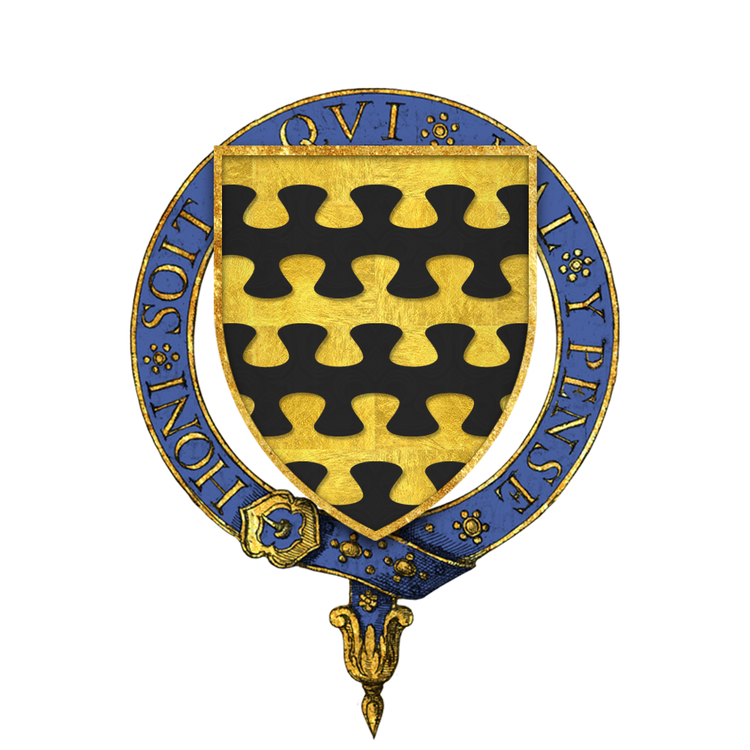
Sir John Blount, KG
1388-1418
The estate
The medieval village of Barton Blount and its components are a registered Scheduled Monument.
The landscape preserves evidence of settlement from the tenth century, within a historic estate setting that remains occupied today.
It is a nationally important archaeological site with historic structures and strict legal protection.
This type of protection enables future generations to engage with and understand the role these buildings and their landscape played in the history of our country.
History of Barton Blount
There has been a village at Barton Blount since before the Norman Conquest when it was recorded as "Barctune" in the Domesday Book of 1086.
The Manor was held by the Norman Bakepuis family under Henry de Ferrers and called Barton Bakepuis.
In 1380 the soldier and courtier Sir Walter Blount, who was a key supporter of John of Gaunt, bought Barton renaming it Barton Blount.
He was later immortalized by Shakespeare in Henry IV Part I where he epitomises selfless loyalty and chivalry for giving his life at the Battle of Shrewsbury in 1403 disguised as the King.
The Blount family remained highly influencal in politics for the next 200 years and links to their individual profiles are shown below.
Sir Walter Blount 1416-1474 was created Baron Mountjoy.
William Blount, 4th Baron Mountjoy, who was born, baptised and buried at Barton, led a celebrated life and was considered the most educated noble in Europe by Erasmus (inter nobiles doctissimus).
He was one of the most influential and perhaps the wealthiest English noble courtier of his time. He was tutor to Prince Henry (later Henry VIII), Chamberlain to the Queen, Catherine of Aragon, and Master of the Mint. Mountjoy was never disgraced, nor out of royal favour.
The 8th Baron became Earl of Devonshire and his son the Earl of Newport. During the Civil War the estate was garrisoned by Parliamentary forces to counter the Royalist stronghold at Tutbury Castle 3 miles away.
Blount family
Barton Blount is closely associated with members of the Blount family, including the Mountjoy line and the later Earls of Devonshire and Newport.
1388-1418
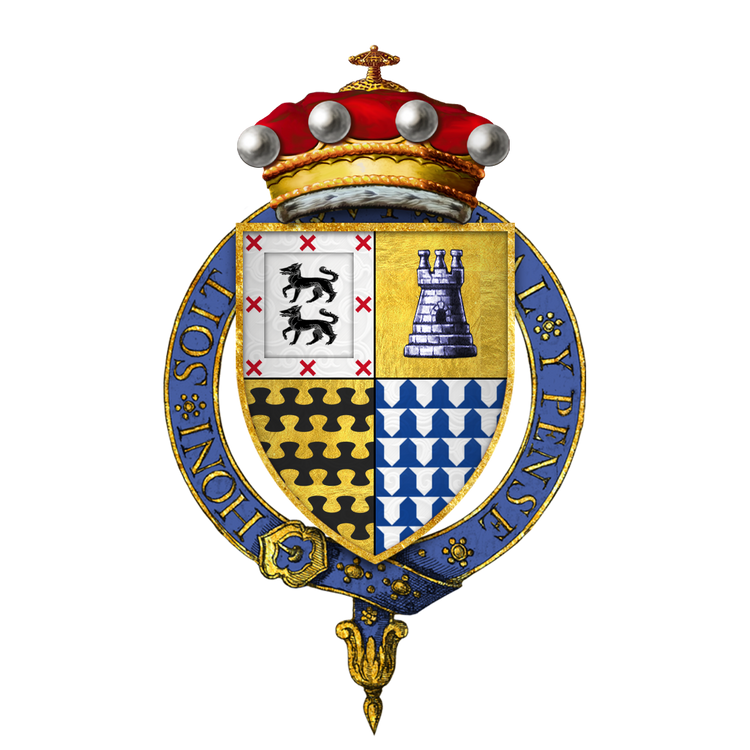
1416-1474
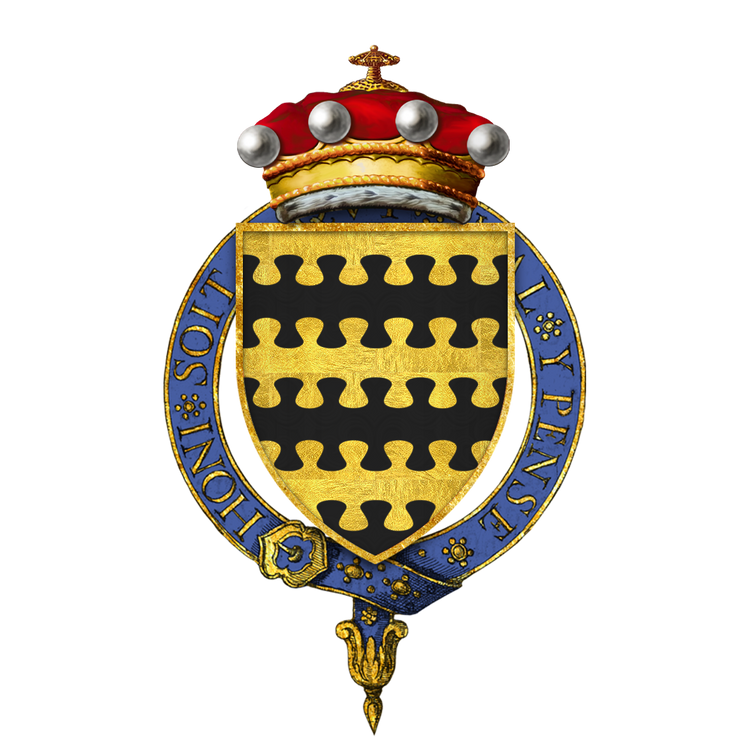
1478-1534
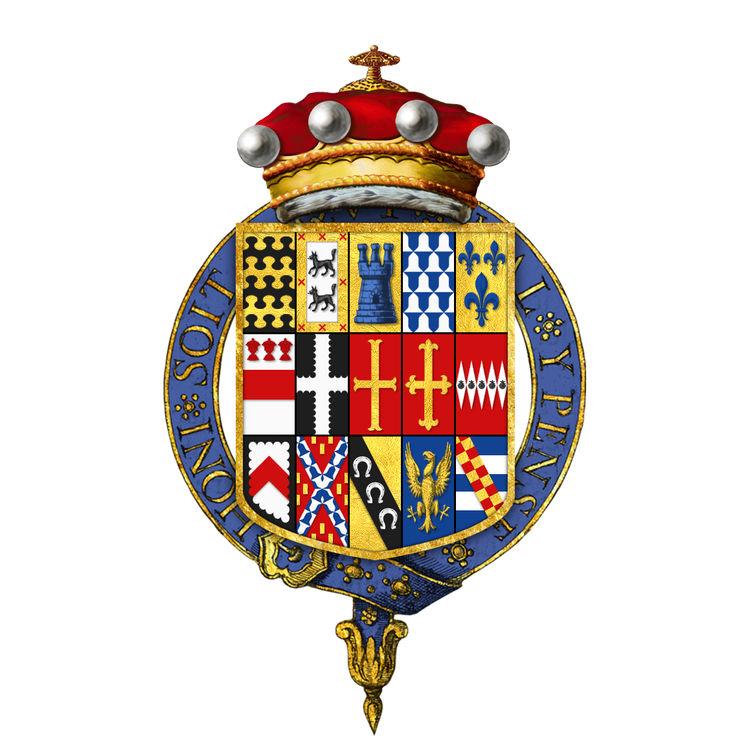
1562-1606, 1st Earl of Devonshire
Before the manor passed to the Blounts in 1381 it was held by an earlier Norman line, recorded in the Domesday Book of 1086.
Wildlife
A guide to the birds likely to be seen across the estate — over the gallops and arable fields, along Longford Brook and the historic decoy pond, and around the woodland, gardens and farm buildings.
Unlike the wild birds in this guide, the peafowl live at Barton Park year-round as residents of the estate.
Mammals recorded or likely around the estate’s parkland, hedgerows, outbuildings, pasture and watercourses. Entries are marked as observed, likely or possible; they are not all confirmed records.
Grey Heron is much more commonly seen than the white storks spotted locally. Those white storks are likely wandering birds from reintroduction populations; this is a notable record worth reporting to BirdTrack and the Derbyshire Ornithological Society.
Contact
For cottage, estate, stud, honey or historical enquiries, please send a message and the appropriate contact will respond.